Meta's AI glasses become an accessibility tool: a Milan museum pilot and 1,000 free pairs in Singapore
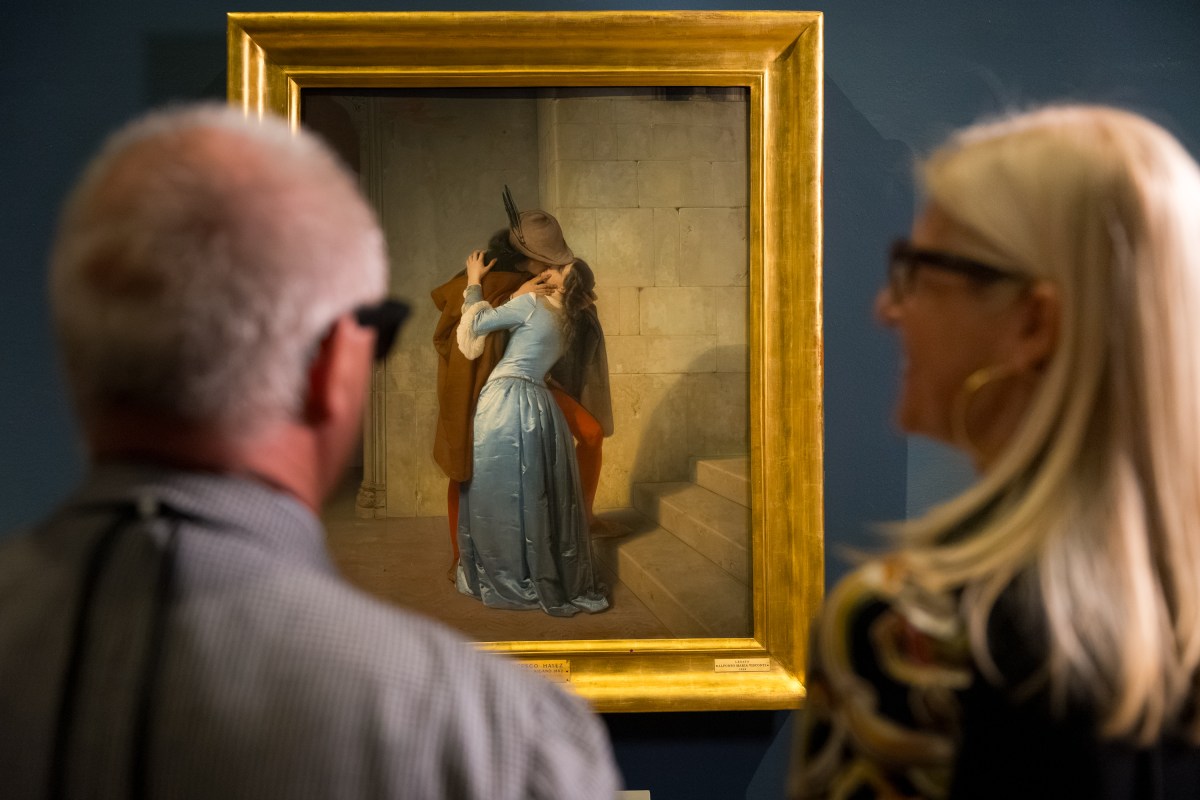
At Milan's Pinacoteca di Brera, blind visitors can now 'see' eight masterpieces through Ray-Ban Meta glasses. In Singapore, Meta is donating 1,000 pairs to disability groups, plus $30,000 for training.
By ScoviAI Team
Key points
- Milan pilot 'Sensing Art' at Pinacoteca di Brera, built with Italy's sight-loss charities
- Glasses recognize eight selected artworks and play an audio description through open-ear speakers
- Meta is donating 1,000 Ray-Ban Meta AI glasses to four Singapore organizations
- A US$30,000 grant funds free training for visually impaired users in Singapore
Smart glasses are usually sold as a way to film hands-free or listen to music. Two announcements from Meta this month show a use that may matter more: helping people who are blind or have low vision.
A museum you can explore by ear
In Milan, Meta, EssilorLuxottica and the Pinacoteca di Brera museum have launched a pilot called "Sensing Art: Discovering Masterpieces Beyond What Meets the Eye." It was developed with three Italian sight-loss organizations: ANS, UICI and the Fondazione Istituto dei Ciechi di Milano.
Here's how a visit works:
- A visitor wears Ray-Ban Meta AI glasses linked to the museum's Grande Brera app.
- Standing in front of one of eight selected artworks, they activate artwork recognition from the glasses.
- The glasses play an audio description through open-ear speakers, so the visitor still hears the room around them.
The descriptions use the DescriVedendo method, which translates a painting's shapes, composition and details into words. Short orientation tracks guide visitors between works. They can also ask Meta AI questions about their surroundings, or connect through Be My Eyes to a sighted volunteer for live help.
More than one million people in Italy are blind or visually impaired, and museums are among the places hardest to make accessible. Meta says blind and visually impaired testers shaped the pilot from the start.
1,000 pairs for Singapore
Earlier in October, Meta's Chief Global Affairs Officer Joel Kaplan announced in Singapore that the company is donating 1,000 Ray-Ban Meta AI glasses to four organizations:
- the Singapore Association of the Visually Handicapped (SAVH),
- Guide Dogs Singapore,
- the Singapore Disability Sports Council,
- Gardens by the Bay.
Meta is adding a US$30,000 grant so SAVH can build a free course teaching people to use the glasses safely: identifying objects, reading text and using voice commands.
"Using the glasses hands-free has changed how I capture moments and stay connected through my day." Theresa Goh, Paralympian and national para shooter
Why it matters
For blind users, hands-free help that reads a sign, a menu or a museum label without pulling out a phone can mean real independence. Google is chasing the same goal on phones with Guided Vision in Gemini Live. Donations and pilots like these are also good publicity for a product category Meta wants to grow, so the test will be whether accessibility features keep improving once the cameras stop rolling.
Sources
ScoviAI Team is the ScoviAI newsroom. We write every article ourselves from the original announcements and link our sources. Spotted a mistake? Tell us and we'll fix it.
ADVERTISEMENT