California will require labels on ads that use AI-generated performers
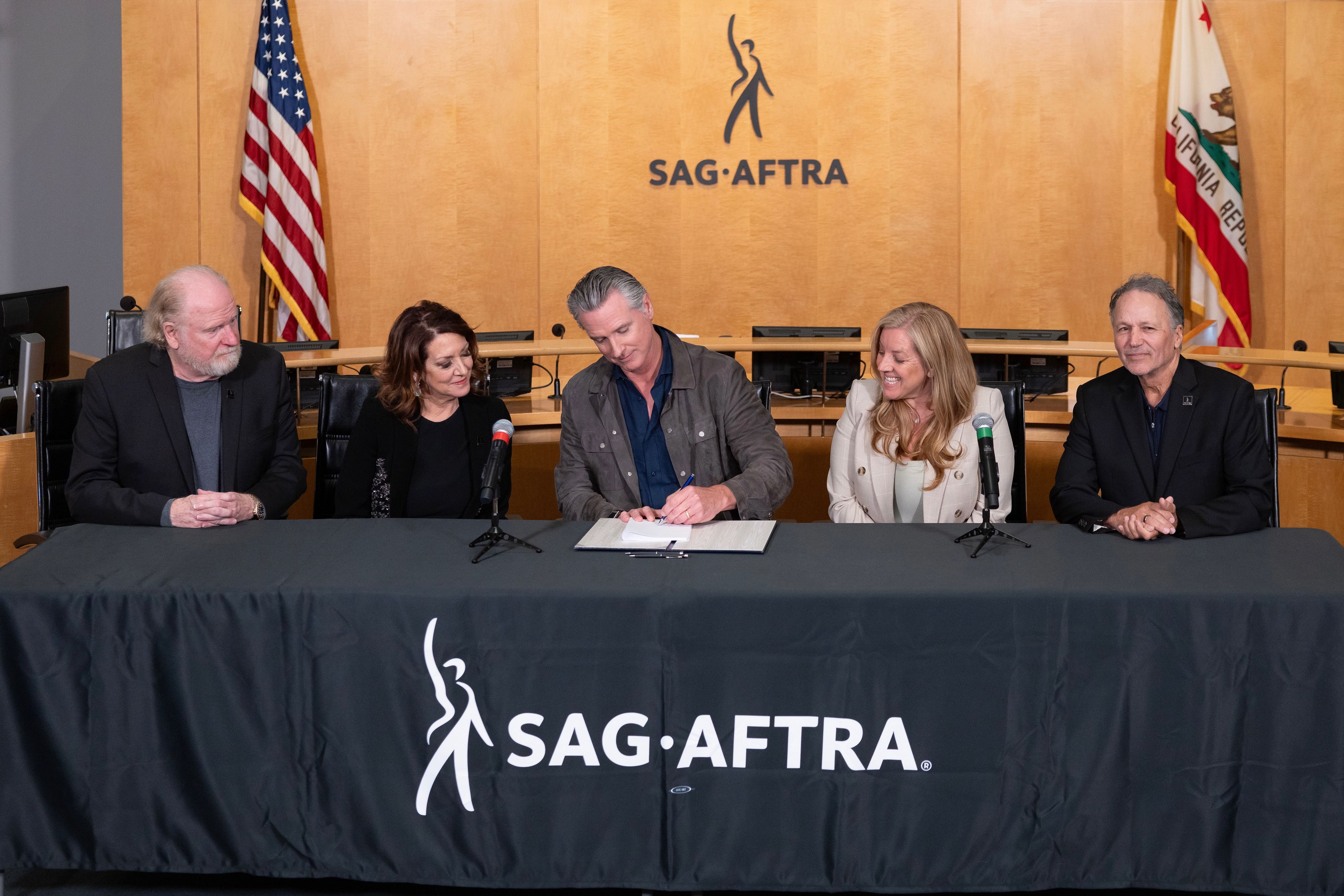
Governor Gavin Newsom signed SB 1050, which makes advertisers clearly disclose when an ad uses a realistic AI-generated person. Movies, TV and video games are exempt.
By ScoviAI Team
Key points
- Governor Newsom signed SB 1050 on September 16, 2026
- Video and audio ads using AI-generated 'synthetic performers' must say so clearly
- Suggested wording: "this performance features a synthetic performer"
- Ads for movies, TV, streaming and video games are exempt
California has a new law aimed at a growing kind of advertising: ads starring people who don't exist. Governor Gavin Newsom signed SB 1050 on September 16, 2026. It requires clear disclosure when a video or audio ad uses an AI-generated "synthetic performer" to sell a product or service.
The bill was written by State Senator Angelique Ashby and sponsored by SAG-AFTRA, the union for actors and broadcasters.
What the law requires
- Ads using realistic AI-generated performers must disclose it. That covers audio, video and audiovisual ads.
- The disclosure must be hard to miss: easy to understand and shown in a way a reasonable consumer would notice and read.
- Suggested wording: something close to "this performance features a synthetic performer" or "no human performer is depicted."
What's exempt
The law doesn't apply to ads for expressive works such as movies, TV shows, streaming content, documentaries and video games. It also doesn't cover ads where AI is used only to translate a real performer or for other accessibility features.
How it's enforced
The law doesn't create a new agency or penalty. Instead, breaking it counts as false advertising under California's existing law, and it can be enforced through the state's unfair competition law. Once a court has ruled that an ad breaks the law and the platform has been served with that order, the platform may not keep running it.
Why it passed, and the criticism
For actors and voice artists, the concern is clear: AI performers can replace paid work, and viewers may not know they're watching a synthetic person. Opponents argued, at an earlier stage of the bill, that it requires a label even when an AI performer wouldn't mislead anyone, and that the placement rules are too rigid. The bill was amended in August before it passed.
What it means for you
- As a viewer in California, you should start seeing labels on ads that use AI-generated people.
- If you make ads with AI avatars or voices, plan for a clear on-screen or spoken disclosure in California, and check the final text of the law with a lawyer.
Sources
- Governor Newsom signs new law to protect workers, require disclosures on AI-generated advertising (Office of the Governor)
- SB-1050 False advertising: synthetic performers, bill text (California Legislative Information)
ScoviAI Team is the ScoviAI newsroom. We write every article ourselves from the original announcements and link our sources. Spotted a mistake? Tell us and we'll fix it.
ADVERTISEMENT